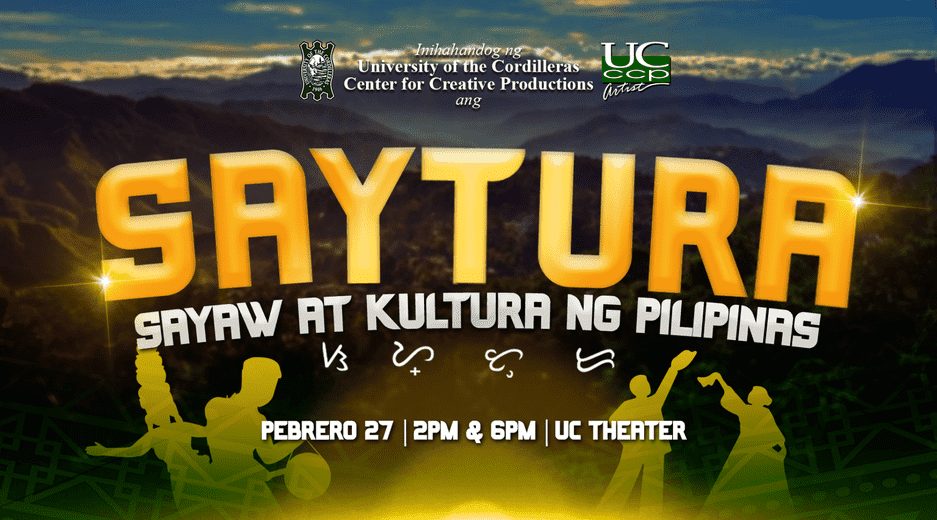

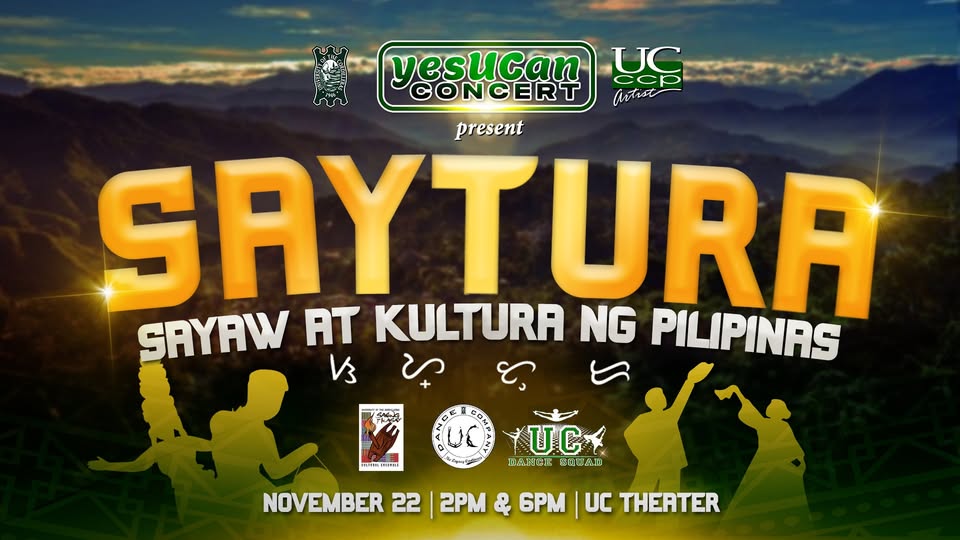
A captivating showcase of traditional Filipino dances was presented during the SAYTURA (Sayaw at Kultura ng Pilipinas) Concert in celebration of National Arts Month. Held on February 29, 2024, at the UC Gymnasium, the event welcomed 500 high school students from Baguio City, offering them an enriching cultural experience.
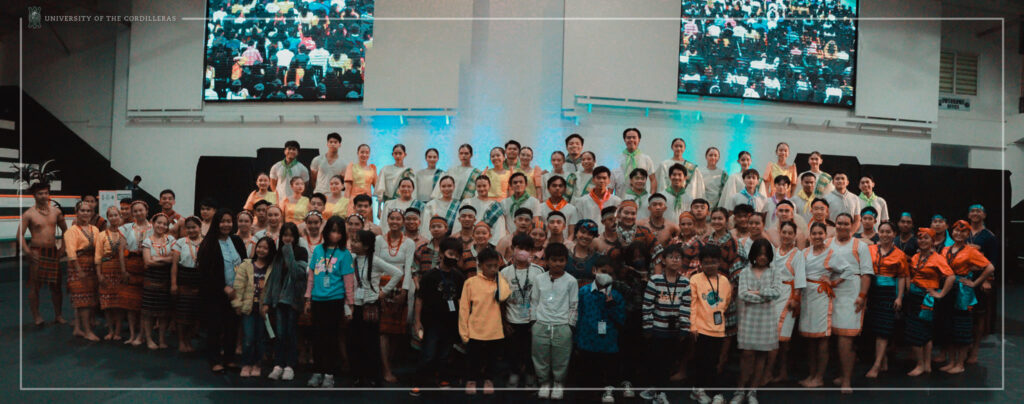
SAYTURA was also featured during the yesUCan Concert on November 22, 2024, at the UC Theater. This annual gathering brought together the University’s Board of Trustees, administrators, students, and the families of talented CCP artists. Attendees were treated to an afternoon that highlighted the richness of Filipino heritage—an enlightening introduction for today’s youth and a nostalgic reflection for the young at heart.
The concert opened with the UC Dance Company and UC Dance Squad performing the Maria Clara Suite, which included dances such as Cariñosa, Sinakiki, La Simpatika, Habanera Botolena, La Jota Manileña, Lanceros de Tayabas, and Bulaklak ng Halamanan. These pieces, rooted in the Spanish colonial era and infused with Filipino artistry, portrayed the elegance and symbolism of courtship in the 1800s and earlier.
This was followed by a medley of cultural dances from the UC Saeng ya Kasay Cultural Ensemble, featuring traditions from all six provinces of the Cordillera Administrative Region. Each performance highlighted the distinct identity of the province it represented, delivered with pride and reverence for the artists’ cultural roots.
The concert also featured lively rural folk dances such as Subli, Itik-Itik, Maglalatik, Binasuan, Kadang-Kadang, Sayaw sa Bangko, and Tinikling—pieces that reflect the joy, warmth, and communal spirit of Filipino celebrations.
The program concluded with the Muslim Suite, showcasing vibrant and rhythmic dances influenced by Arabian and Indo-Malayan cultures. Performances such as Kapa Malong-Malong, Pag-apir, and Singkil captivated the audience with their elegance, intricate movements, and rich cultural symbolism.
SAYTURA served as a meaningful celebration of Filipino identity—honoring traditions rooted in courtship, rituals, and community life. Every dance carried its own story, reminding both performers and audiences of the depth, diversity, and enduring beauty of Philippine culture.